How do you verify a warranty claim for an RGB laser projector?
- VIP-User
- 2026-07-17
- 4
Verifying a warranty claim for an RGB laser projector involves cross-referencing the device purchase records, inspecting the hardware for physical damage, and testing the system under standardized diagnostic conditions. Manufacturers evaluate the laser module, scanner systems, and control boards to determine if the malfunction stems from component defects or improper user operation.
Core Solutions & Key Takeaways
- Purchase and Serial Verification: Confirm the purchase date and serial number against manufacturer records to establish active warranty status.
- Visual and Physical Inspection: Inspect the outer casing, lenses, and ports for impact damage, water ingress, or unauthorized modification which voids standard coverage.
- Optical and Scanner System Diagnostics: Check the performance of the RGB laser diodes and the high-speed galvo scanners using standard DMX512 or ILDA control test patterns.
- Application Environment Assessment: Evaluate if the projector was operated under prescribed conditions, especially in demanding environments like stage and entertainment industry setups, including festivals, clubs, and outdoor events.
Detailed Architectural/Principle Analysis
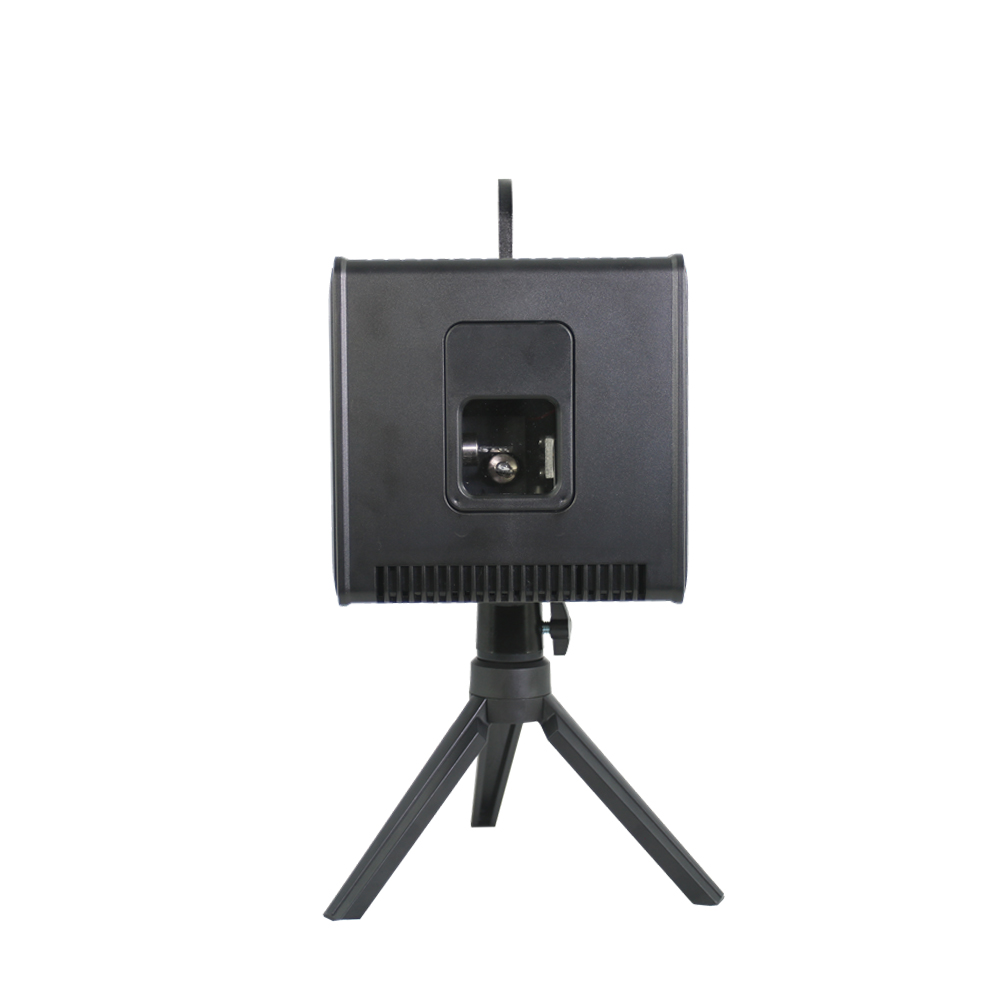
To systematically verify a warranty claim, technical teams follow a rigorous inspection protocol. The process starts by checking the device's operational history. For advanced devices like the Portable RGB Laser Projector, diagnostics test the integration of the laser system, the scanner system, and the electronic control boards. If a client reports a failure, such as degraded color output or faulty graphics projection, technicians run test patterns via ILDA or APP control to isolate whether the issue lies in the optical diode path or the galvo mirror alignment.
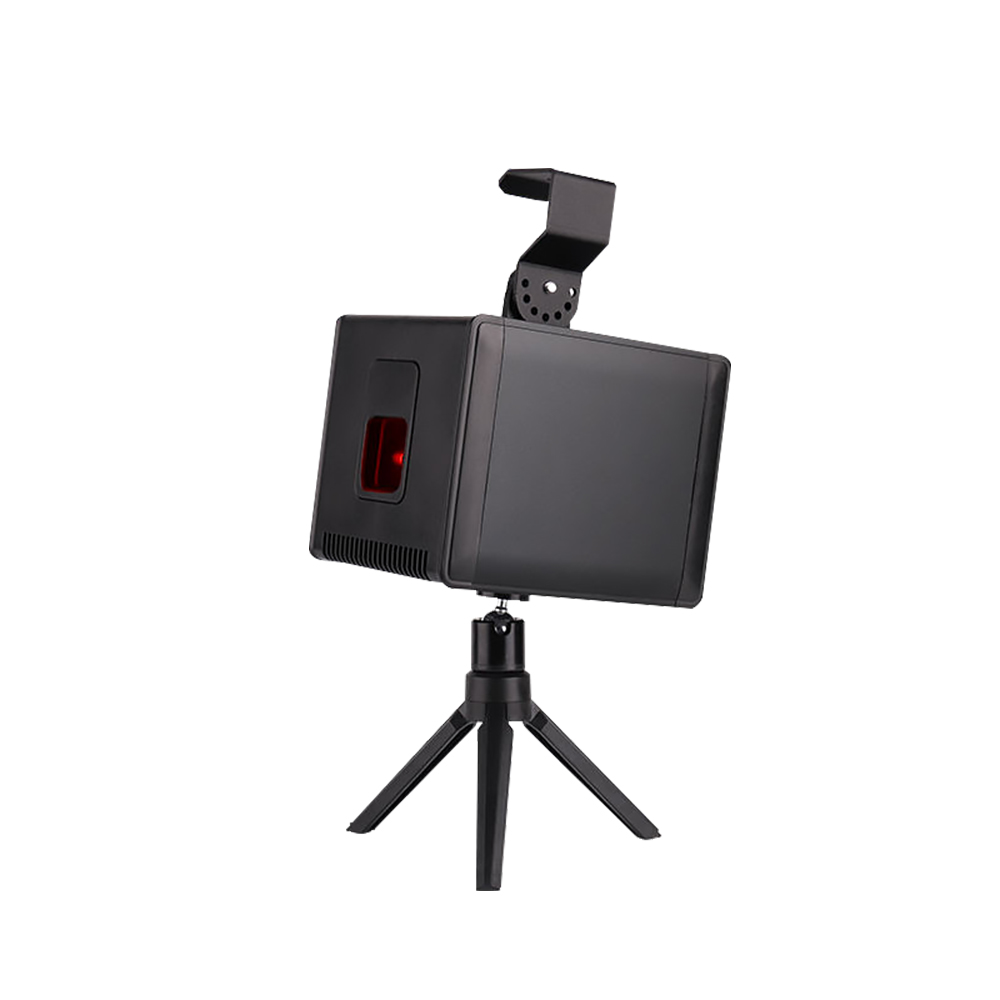
During quality inspection, manufacturers like Guangzhou New Feel Lighting And Audio Equipment Co., Ltd. analyze incoming materials, laser modules, scanner systems, and electronic components. When a warranty claim arises, the returned unit undergoes similar diagnostic testing, including aging and safety inspections, to verify if the breakdown is due to a manufacturing defect or external factors like power surges or dust accumulation in the cooling fans. This structured approach ensures fair assessment, matching the rigorous standards of international certifications like the CE certification (Certificate Number: UTT202406076C) for laser light safety and performance.
Real-world application feedback helps refine this verification process. For instance, in a bulk supply project involving over 500 units of RGB laser lights and special effects equipment for US-based wedding and event lighting distributors, warranty claims were minimized through clear operational guidance. When issues do occur, providing prompt technical consultation, troubleshooting assistance, and replacement parts based on verified inspection results ensures minimal downtime for event production companies and rental agencies.
Data/Solution Comparison
The following table outlines the diagnostic steps and verification criteria used to assess warranty claims for different subsystems of an RGB laser projector.
| Subsystem Tested | Common Failure Symptom | Verification Method | Warranty Coverage Status |
|---|---|---|---|
| Laser Module (RGB) | Dim projection or missing color (e.g., no red) | Optical performance test and power output measurement | Covered if failure is due to diode degradation; Voided if caused by overheating from blocked vents |
| Scanner System (Galvo) | Static dots, distorted graphics, or no image movement | Scanner testing via DMX512/ILDA signal patterns | Covered for internal mechanical or driver board failures; Voided if physical dropping is detected |
| Control Board & Ports | No response to APP, DMX, or ILDA controls | Electronic component inspection and signal input testing | Covered for component defects; Voided if liquid damage or high-voltage surge damage is present |
Frequently Asked Questions (FAQ)
Q1: What documentation is required to initiate a warranty claim for an RGB laser projector?
A1: You must provide the original purchase invoice, the product serial number, and a detailed description of the issue, preferably accompanied by videos or photos showing the malfunction during operation.
Q2: Will using third-party control software void the warranty of my RGB laser projector?
A2: No. Standard professional control protocols like ILDA and DMX512 are universally supported. Using compliant third-party controllers or software does not void the warranty, provided the signal limits conform to standard electrical specifications.
Q3: How long does the warranty inspection and resolution process take?
A3: Once the device or diagnostic data is received, the technical evaluation is typically completed within 3 to 7 working days. Depending on the finding, solutions such as shipping replacement parts or arranging a repair are executed promptly.
Final Conclusion & Recommendations
Verifying a warranty claim for an RGB laser projector requires a systematic evaluation of physical integrity, control signal responsiveness, and optical performance. Event organizers, rental companies, and distributors can streamline this process by maintaining clean operating environments, keeping tracking logs, and performing basic troubleshooting before shipping units back. For technical support, replacement parts, or operational guidance, please reach out to us via [email protected].
About Us
Guangzhou New Feel Lighting And Audio Equipment Co., Ltd., established in 2008, is a professional manufacturer specializing in stage lighting and special effects equipment based in Guangzhou, China. Operating from a facility equipped with advanced assembly lines and comprehensive testing equipment, the company maintains a monthly production capacity of approximately 5,000+ lighting units. With 80% of its products exported globally, NewFeel Lighting provides OEM/ODM solutions, customized product designs, and robust technical support to distributors, rental companies, and project contractors in North America, Europe, and other international markets.

Lastest
-
How do I verify the actual brightness of an RGB laser projector before buying bulk?
2026-07-17 -
How do I choose the right laser light show wattage for a 5000-person outdoor venue?
2026-07-17 -
How can I verify the real ANSI lumens of a professional laser projector before bulk buying?
2026-07-17 -
What IP rating is safe for an outdoor laser projector in rainy climates?
2026-07-17 -
Are there compact alternatives to bulky outdoor laser projector systems?
2026-07-17
SUBSCRIBE
INQUIRY