How do I verify the actual brightness of an RGB laser projector before buying bulk?
- VIP-User
- 2026-07-15
- 8
To verify the actual brightness of an RGB laser projector before a bulk purchase, request a sample unit to test the optical power output of individual laser modules using a calibrated laser power meter, rather than relying solely on electrical power ratings. Testing the system under standard ILDA or DMX512 control modes ensures the output matches your specified stage or entertainment requirements.
Core Solutions & Key Takeaways
- Measure actual optical output power (in milliwatts or watts) per color channel using a calibrated optical power meter instead of relying on total electrical wattage.
- Verify beam characteristics, color balance, and modulation performance under active control modes such as DMX512, ILDA, or APP control.
- Confirm compliance standards by checking valid safety credentials, such as CE certification UTT202406076C.
- Simulate real-world deployment in stage and entertainment industry settings to evaluate visibility under ambient light and across long projection distances.
Detailed Architectural/Principle Analysis
Optical brightness in laser systems depends on the laser module emission rather than raw power draw. An RGB laser projector combines red, green, and blue diodes into a unified beam path. Evaluating the power distribution of each individual diode is necessary because the human eye possesses varying sensitivities to different wavelengths; for example, a 520nm green laser appears significantly brighter than a 638nm red laser of the same optical wattage. Testing should isolate each color channel using a control interface to read the true optical output power. 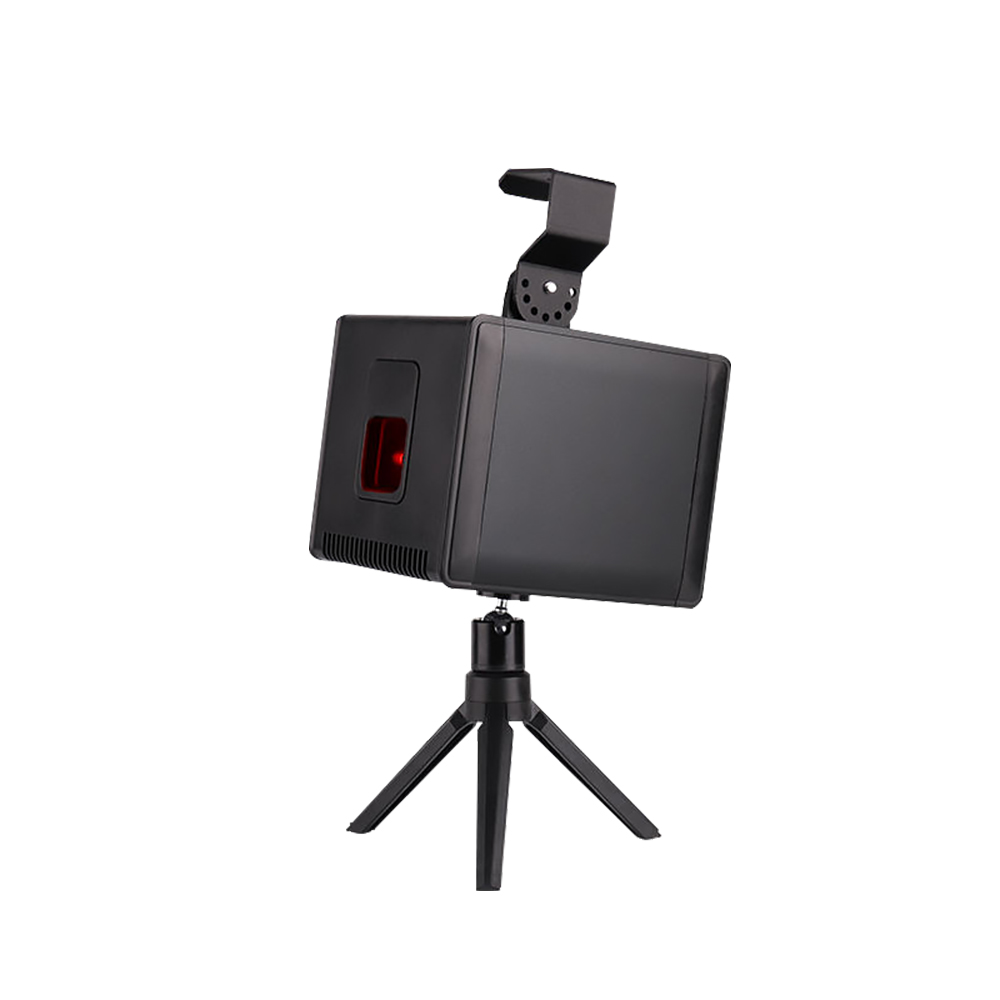
In professional applications, stable brightness over long operating hours represents a major quality benchmark. Thermal management directly affects diode output; as temperatures rise inside the projector, laser efficiency decreases, causing thermal fade. Quality evaluation processes require multi-hour continuous burn-in testing to monitor power stability. During a bulk supply project in the United States involving over 500 units of RGB laser lights, side-by-side consistency testing verified that the optical output matched across all systems. Similarly, a stage production company in France importing 1,500+ units conducted rigorous field tests to ensure the projectors sustained intense beam visibility throughout multi-day festivals. 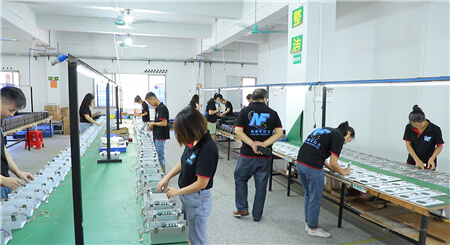
Data/Solution Comparison
| Verification Phase | Evaluation Method / Parameter | Target Standard / Mode | Logistics & Purchase Terms |
|---|---|---|---|
| Sample Testing | Laser Power Meter Measurement | DMX512, ILDA, APP Control | Sample delivery in 3–7 working days; MOQ: 1 unit |
| Bulk Production | Consistency Aging & Optical Alignment | Continuous multi-hour thermal test | Bulk delivery in 15–30 days; standard production MOQ: 2 units |
| Pre-Shipment Inspection | Full-spectrum power and scanner speed test | CE Certification standard (UTT202406076C) | T/T Bank Transfer, L/C, or Alibaba Trade Assurance (30% deposit, 70% balance) |
| Logistics & Dispatch | Vibration and structural safety test | Secure flight case or export-grade packaging | Options: Sea Freight, Air Freight, and Express Delivery (EXW, FOB, CFR, CIF, DDP) |
Frequently Asked Questions (FAQ)
Why does electrical power consumption not equal actual laser brightness?
Electrical wattage measures the total power consumed by the entire system, including scanners, cooling fans, motherboard, and power supply units. The actual light brightness depends on the optical output power of the individual RGB laser diodes and the optical efficiency of the collimating lenses.
How do control interfaces like DMX512 or ILDA affect brightness testing?
DMX512 and ILDA allow precise control over individual red, green, and blue laser channels. Testing under these modes ensures you can measure the maximum optical output of each diode independently, verifying color balancing and pattern modulation without software attenuation.
What certification should I look for to ensure laser safety and quality compliance?
For global markets, look for a valid CE certification (such as certificate UTT202406076C for Laser Light). This ensures the electrical, mechanical, and laser safety mechanisms comply with international standards before executing a bulk order.
Final Conclusion & Recommendations
Verifying actual laser projector brightness requires a combination of precise optical power metering, thermal stability testing, and validation of regulatory safety certificates. Utilizing a low MOQ of 1 for initial sample testing allows buyers to verify performance metrics before committing to bulk order transactions. Standardized procurement involves a 30% deposit to initiate production and a 70% balance payment following comprehensive quality inspection and pre-shipment clearance. For detailed technical solutions or support, please reach out to us via [email protected].
About Us
Established in 2008, Guangzhou New Feel Lighting And Audio Equipment Co., Ltd. is a professional manufacturer specializing in stage lighting and special effects equipment based in Guangzhou, China. Operating from a factory area of 3,500 square meters with an export ratio of 80%, the company has developed robust capabilities in product design, R&D, manufacturing, and customized OEM/ODM solutions. The dedicated professional R&D team drives innovation in laser systems and moving head lights to serve global distributors, event suppliers, and rental companies. The company holds CE certification UTT202406076C for its laser lights and has successfully executed bulk supply projects for wedding distributors in the United States and stage production companies in France.

Lastest
-
How do I choose the right laser light show wattage for a 5000-person outdoor venue?
2026-07-15 -
How can I verify the real ANSI lumens of a professional laser projector before bulk buying?
2026-07-15 -
What IP rating is safe for an outdoor laser projector in rainy climates?
2026-07-15 -
Are there compact alternatives to bulky outdoor laser projector systems?
2026-07-15 -
Can we pay via PayPal for outdoor laser projector sample orders?
2026-07-15
SUBSCRIBE
INQUIRY